Single Family House TR80
Construction year: 2023
Climate zone: Csa - Hot-summer Mediterranean climate
Barcelona, Spain
-
Architect
Batlleiroig, Authors: Joan Batllei i Clàudia Amías
-
Owner
Private owner
-
Consultant
-
-
Architect
Batlleiroig, Authors: Joan Batllei i Clàudia Amías
-
Owner
Private owner
-
Consultant
-
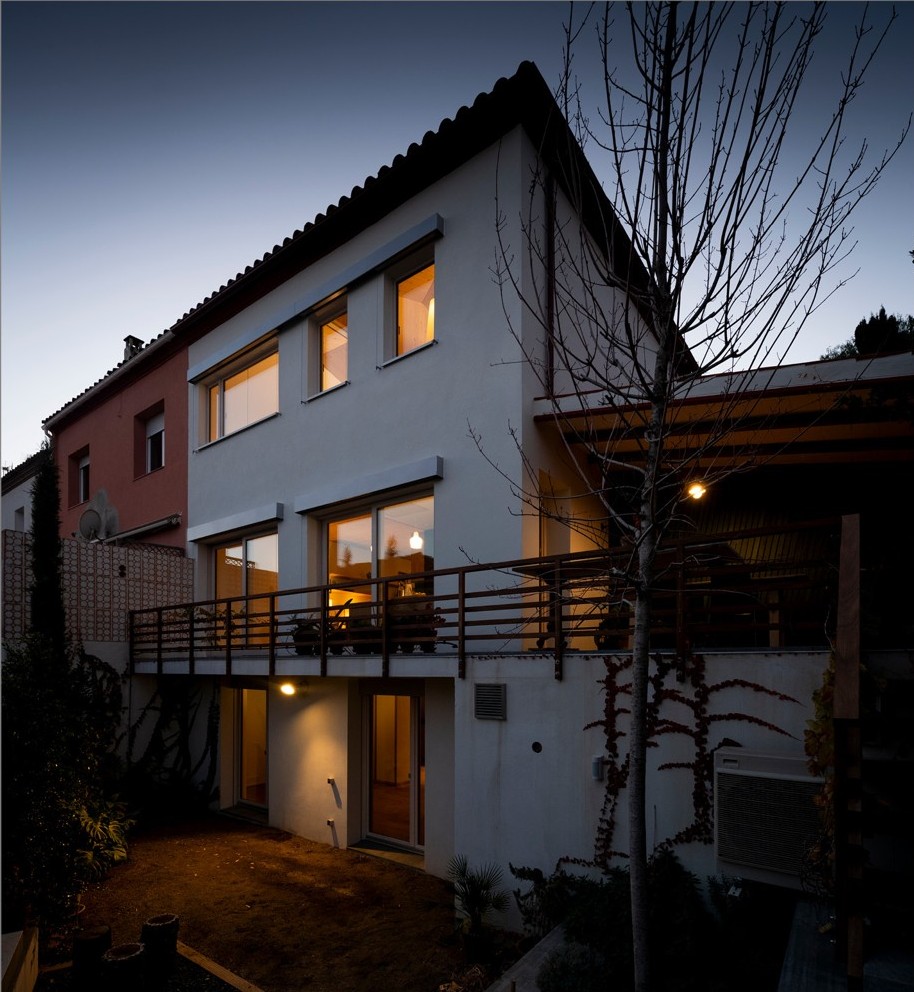
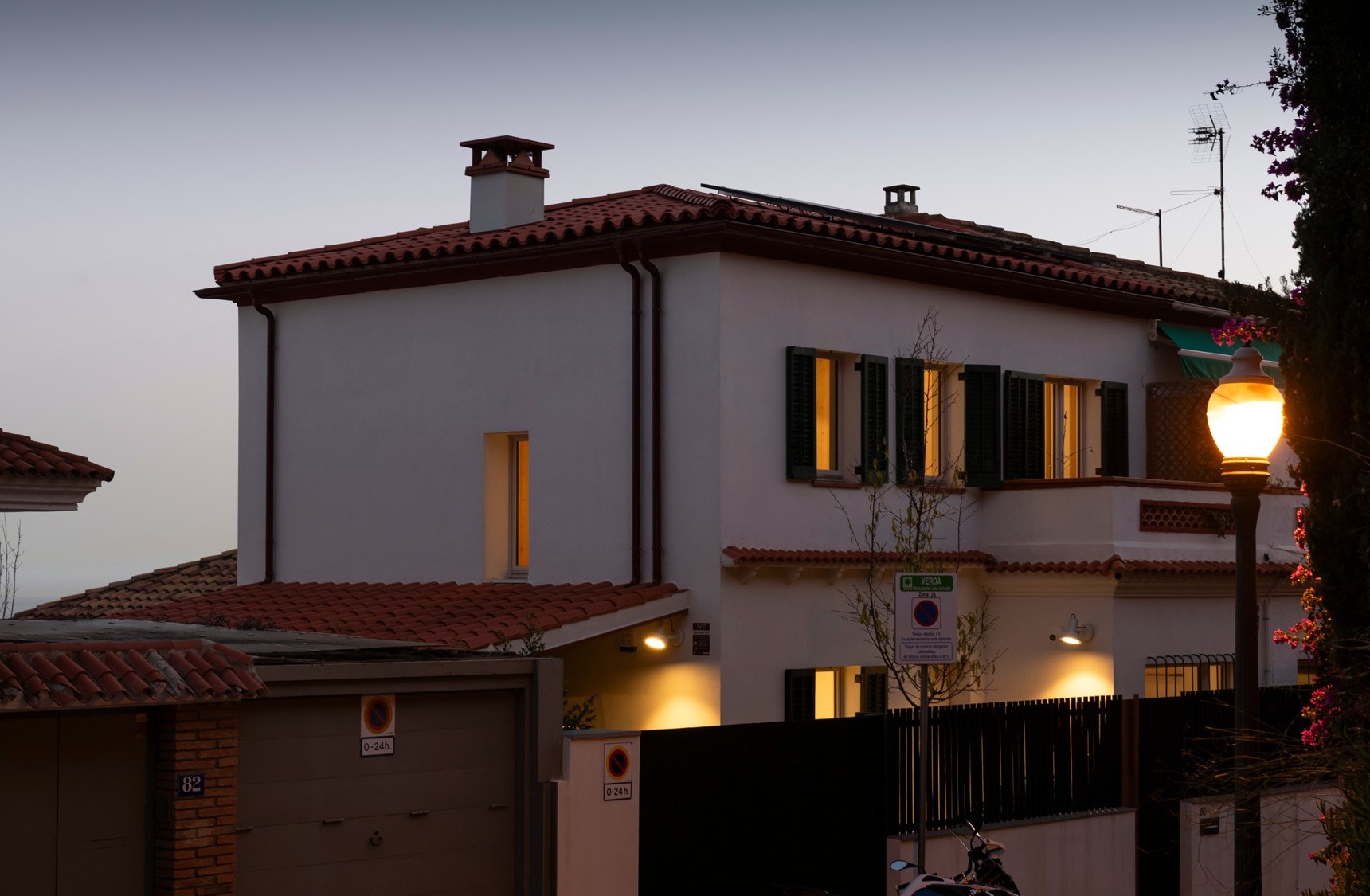
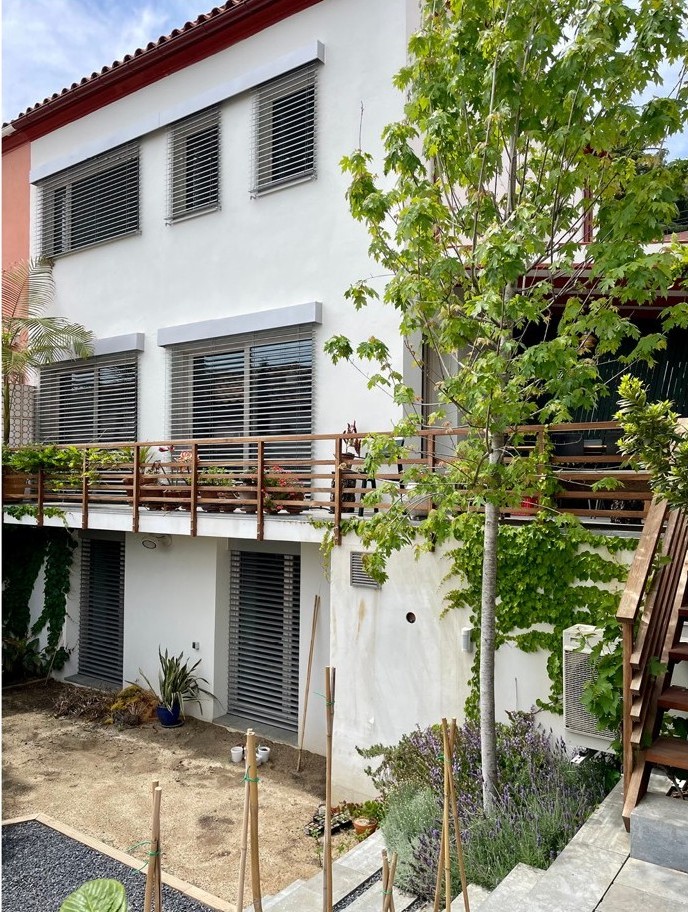
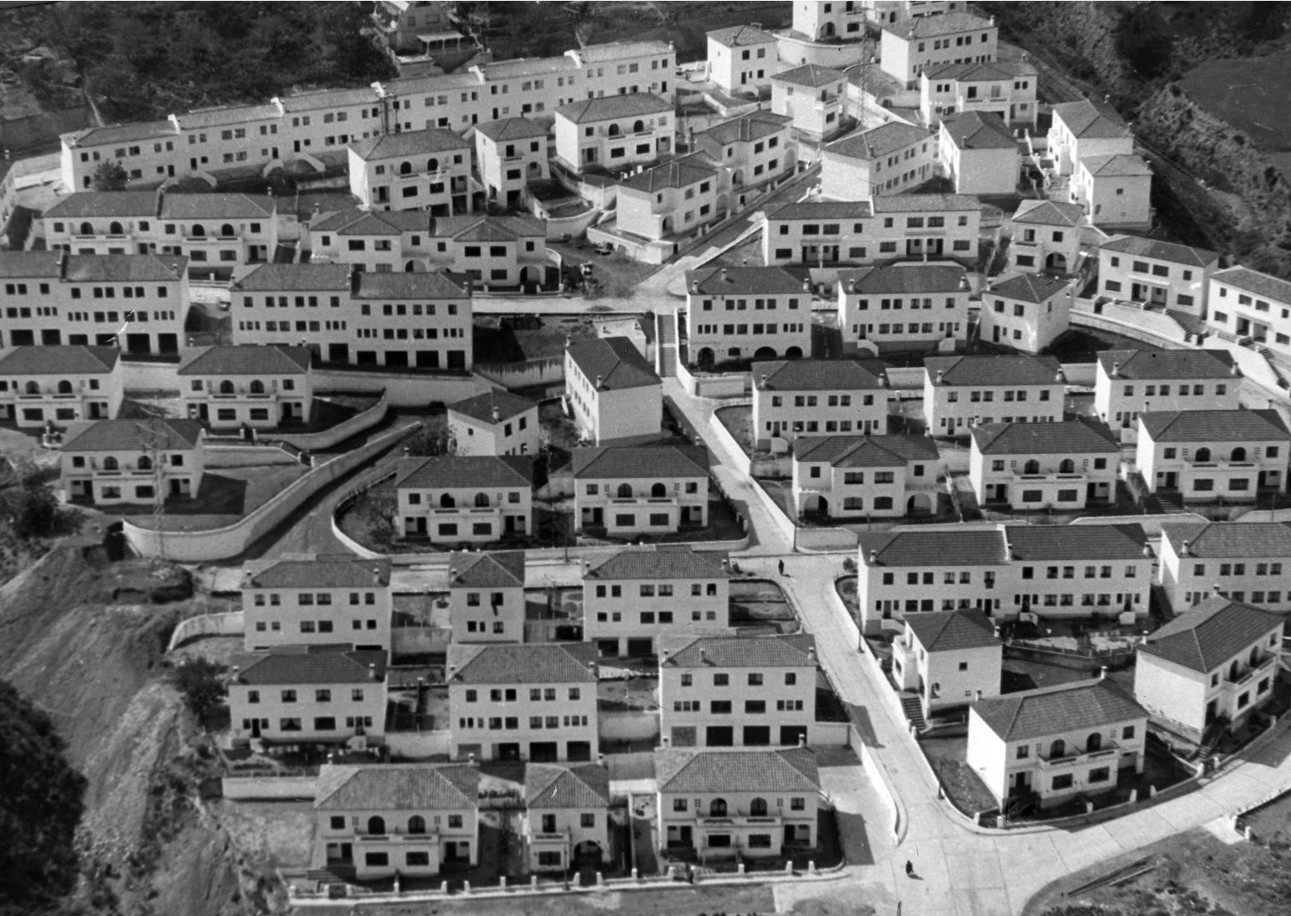
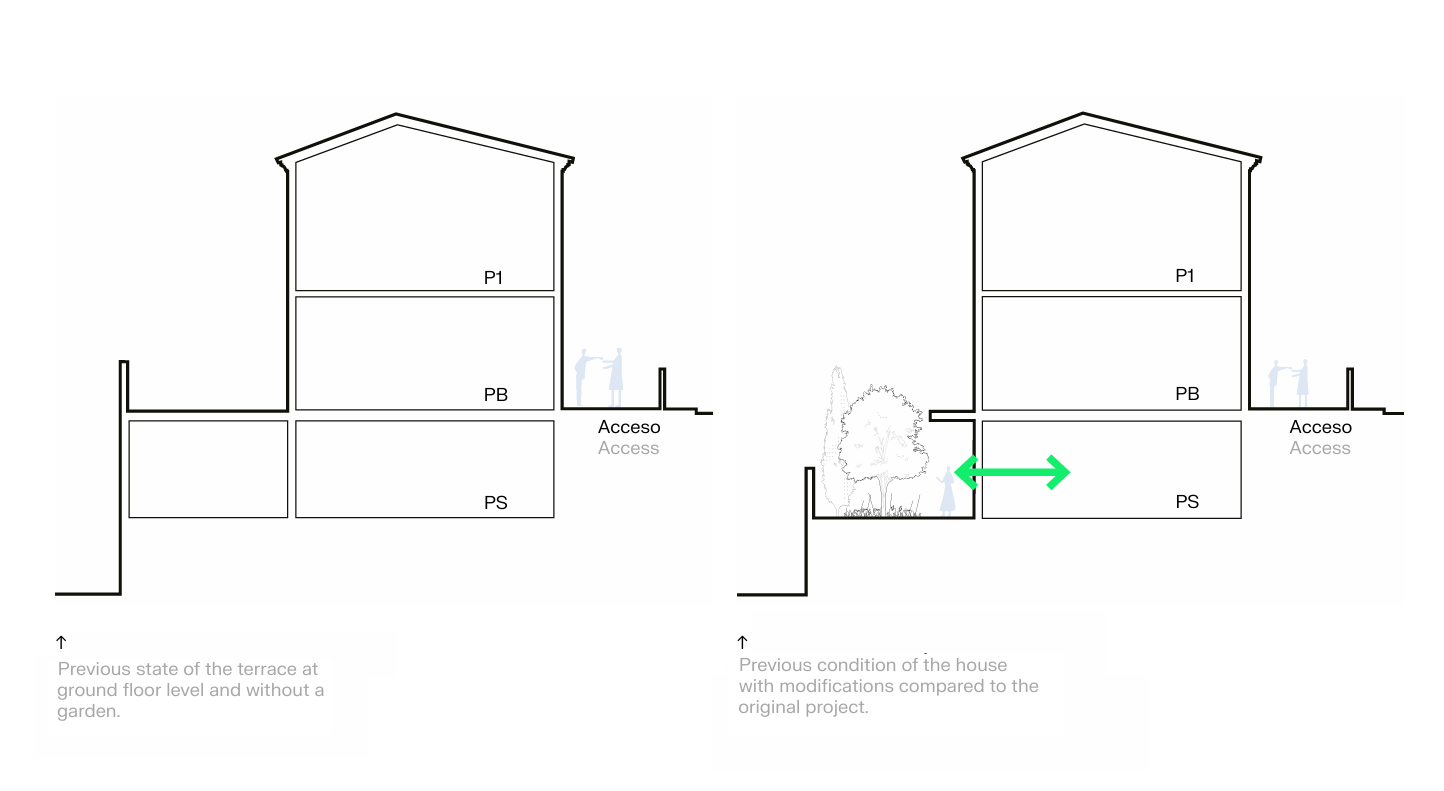
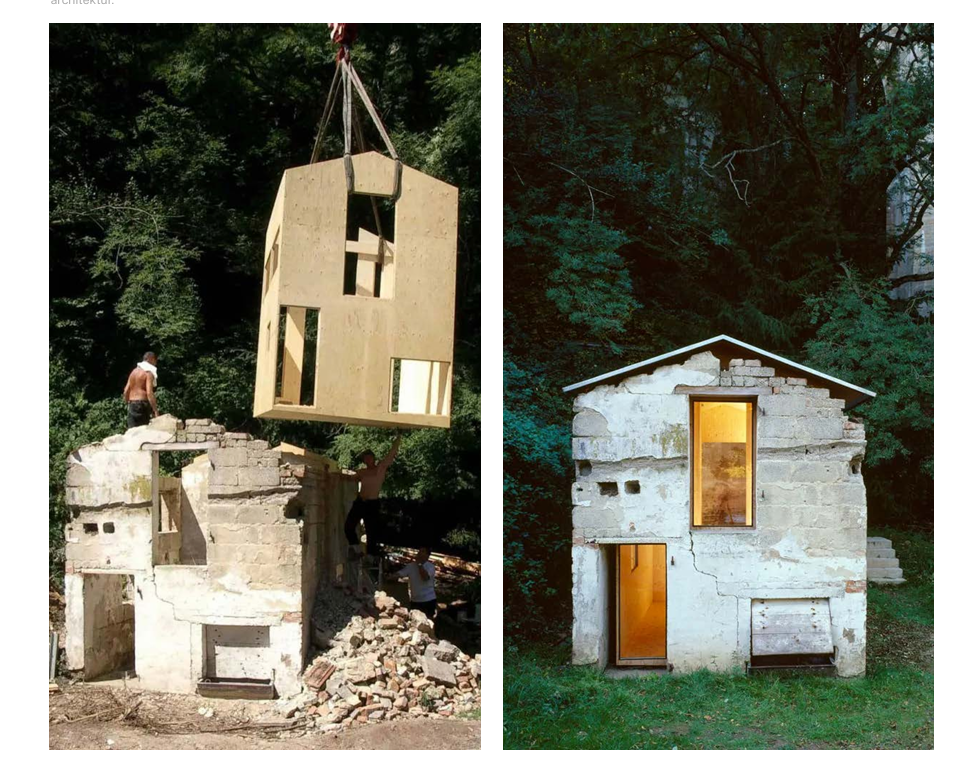
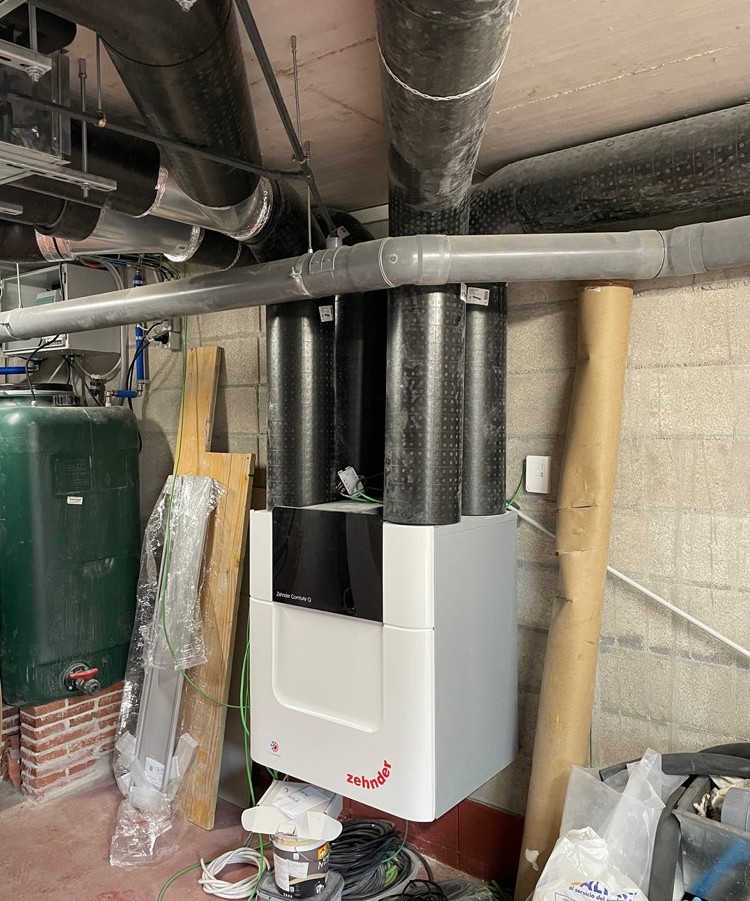
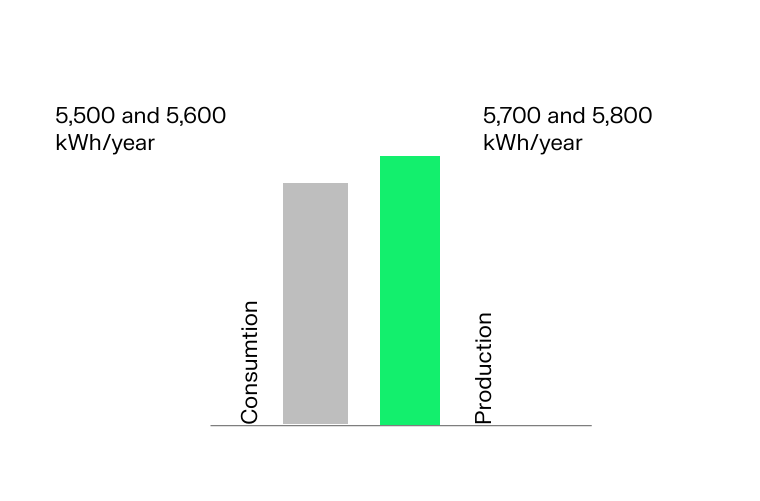
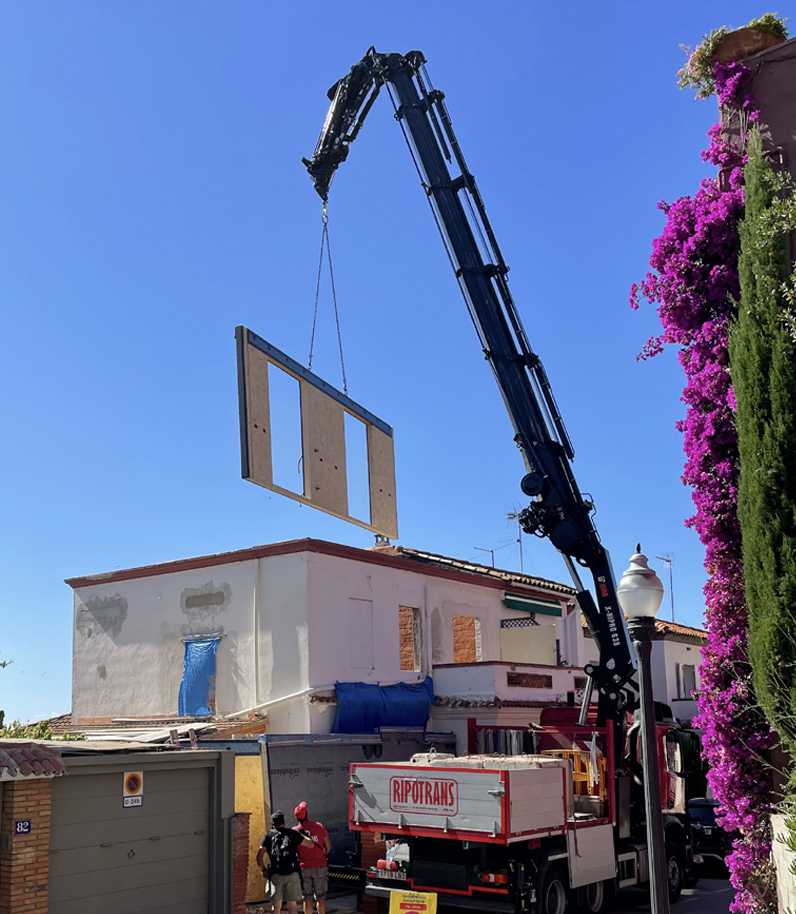
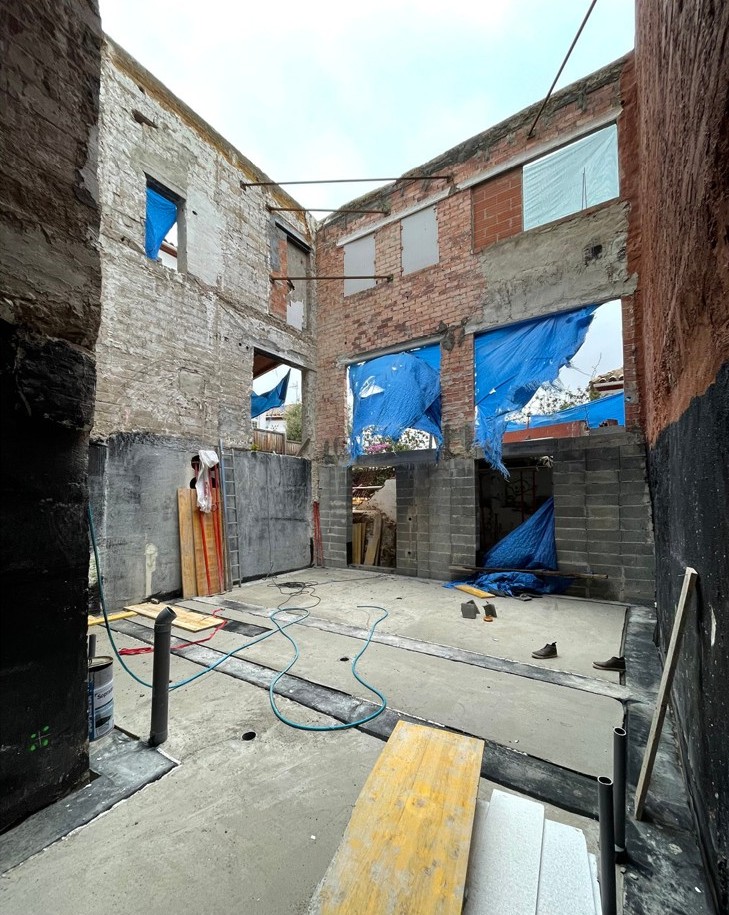
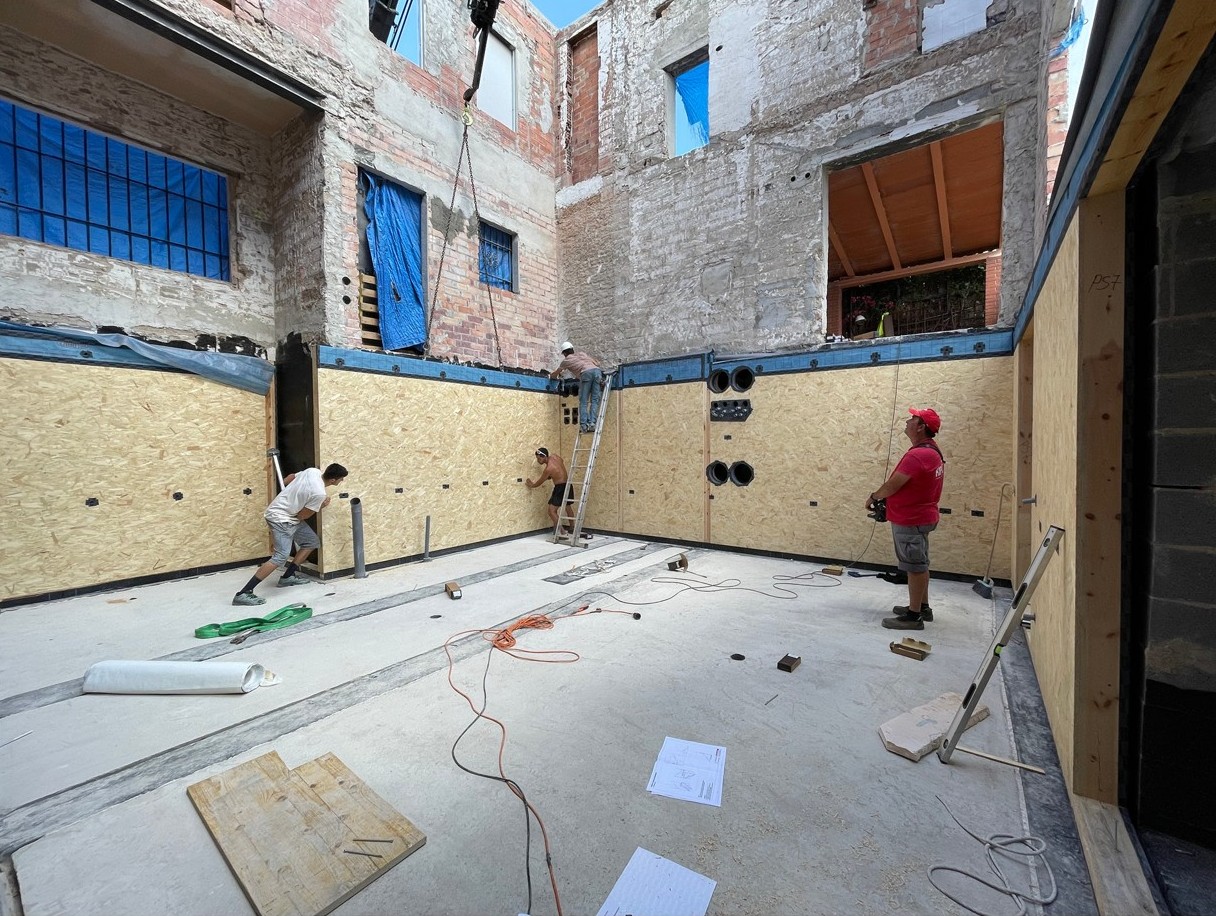
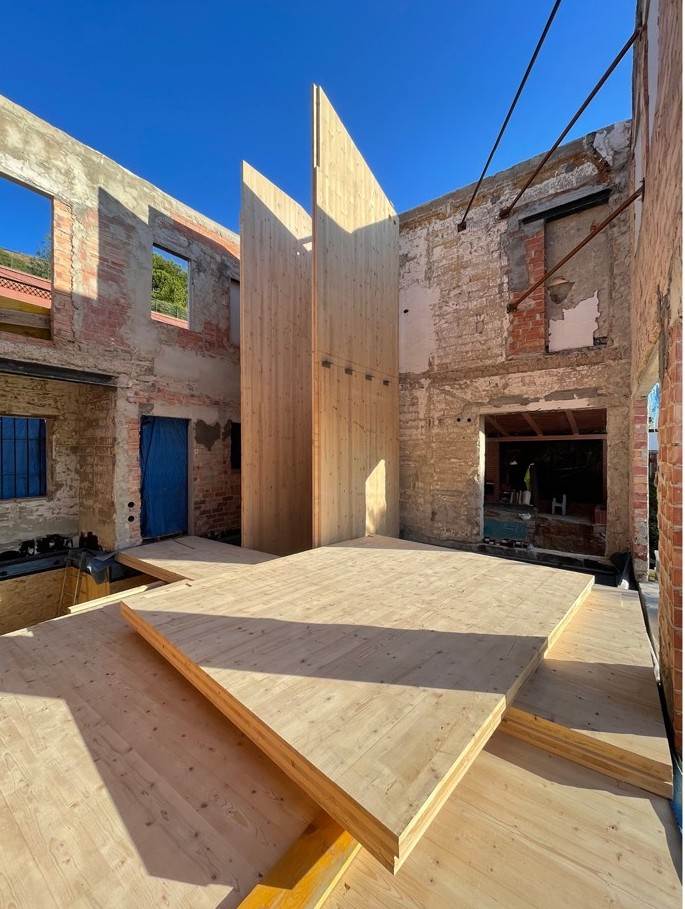
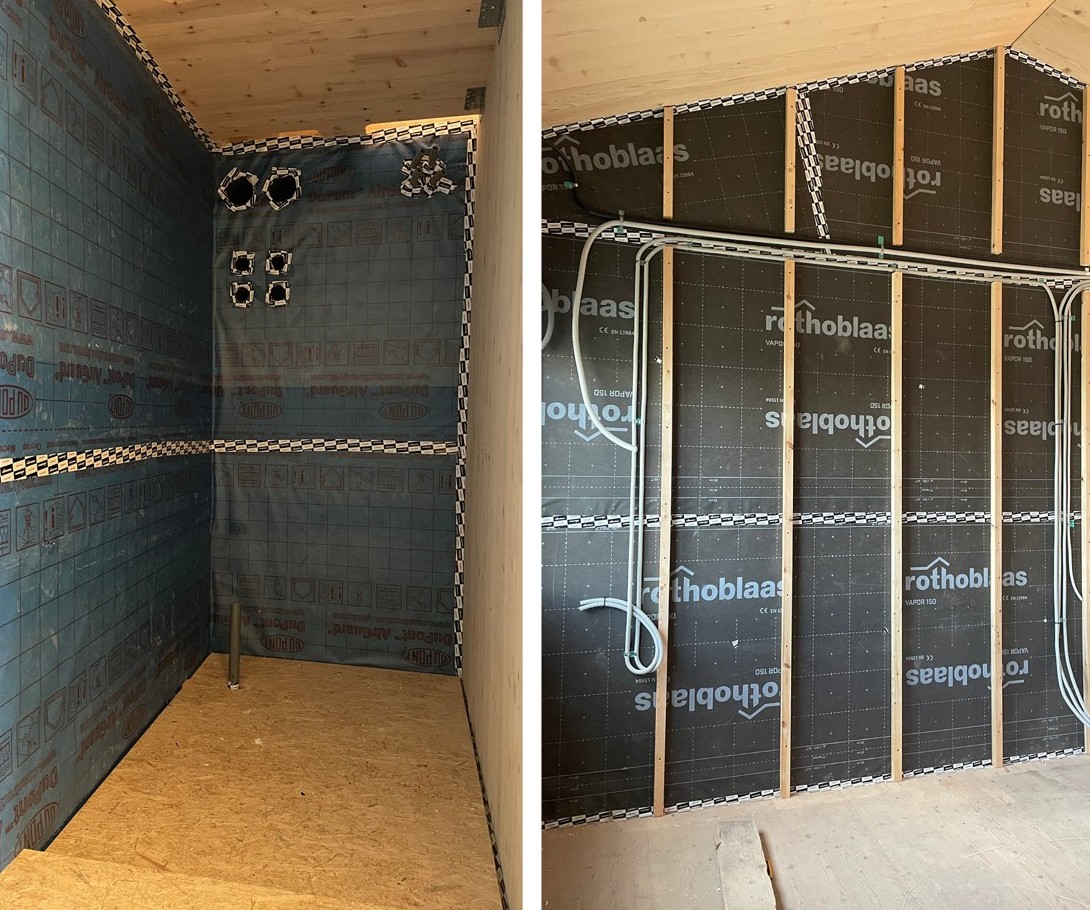
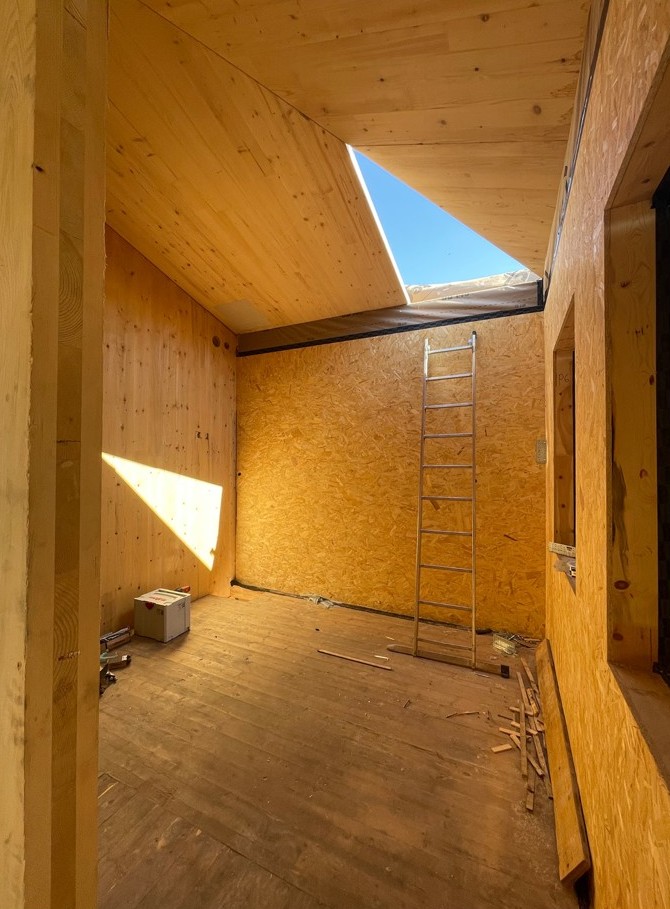
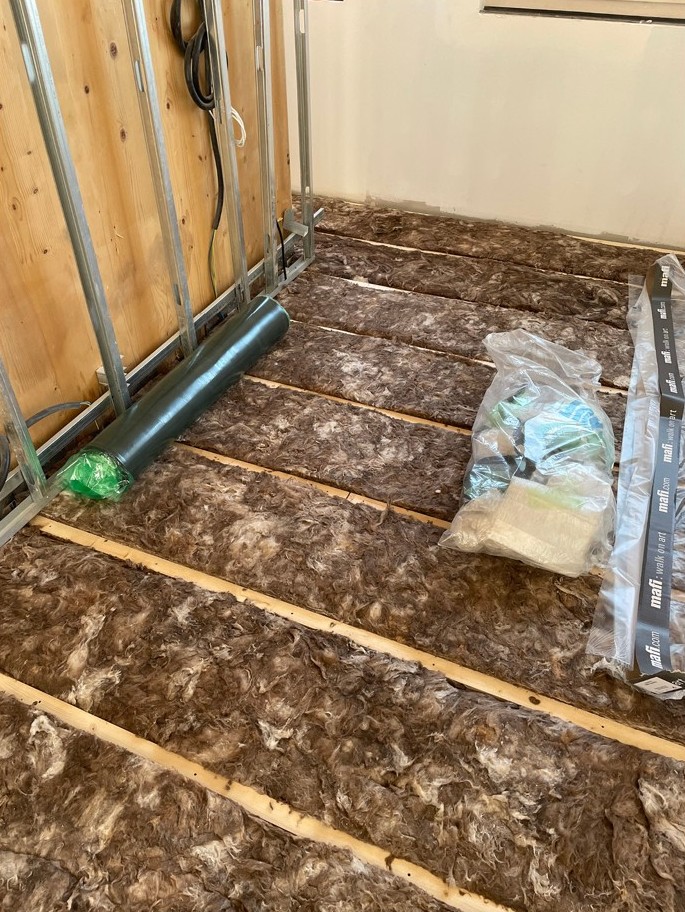
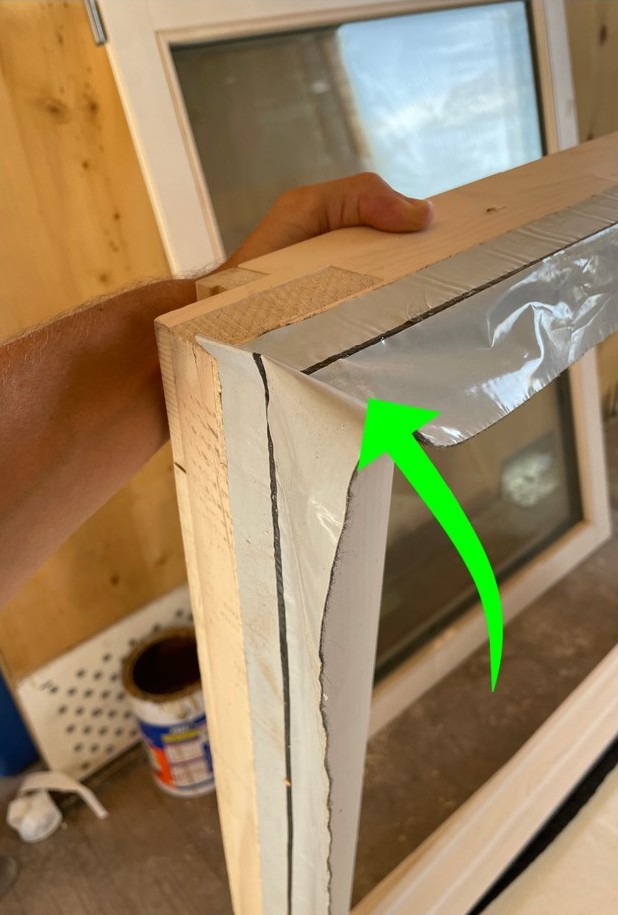
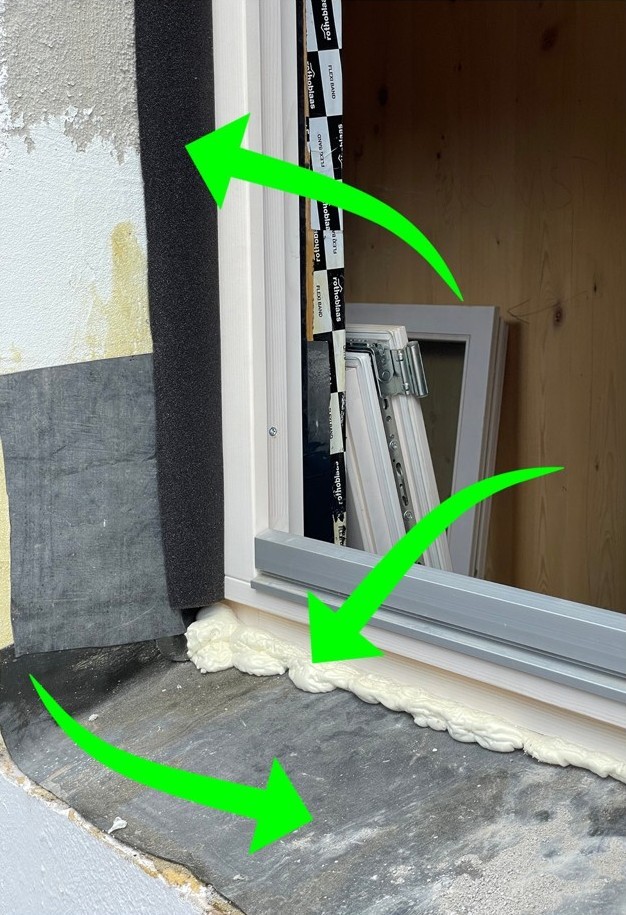
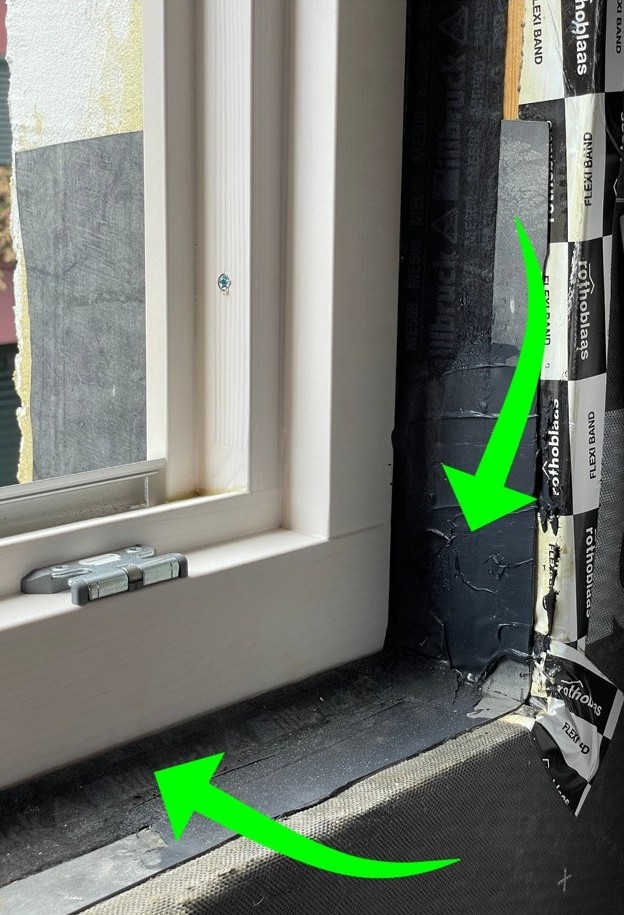
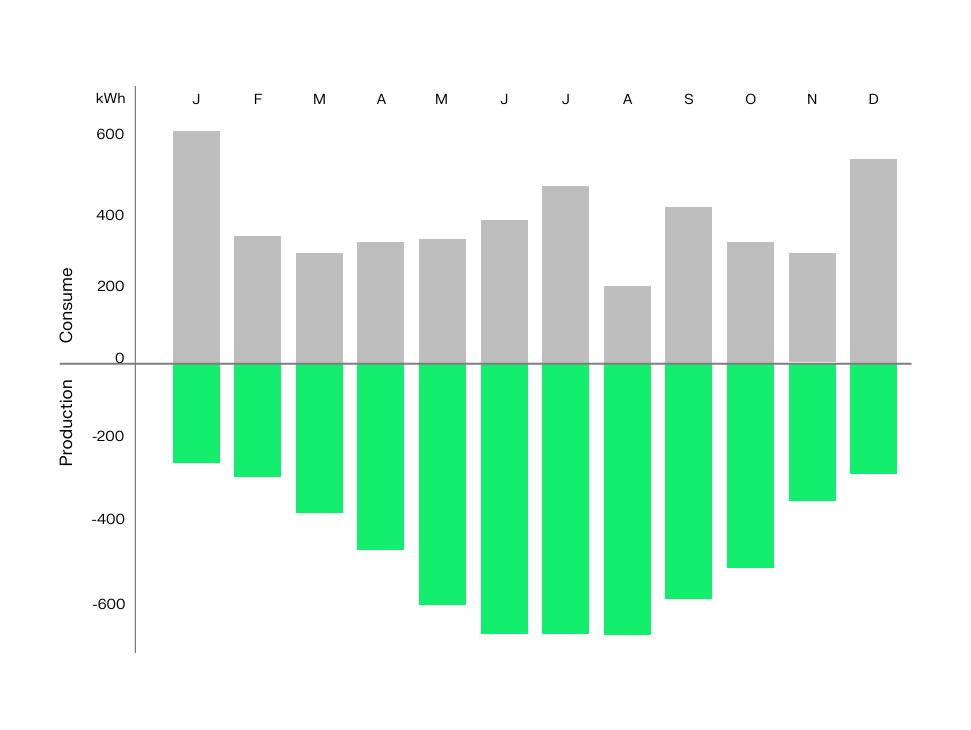
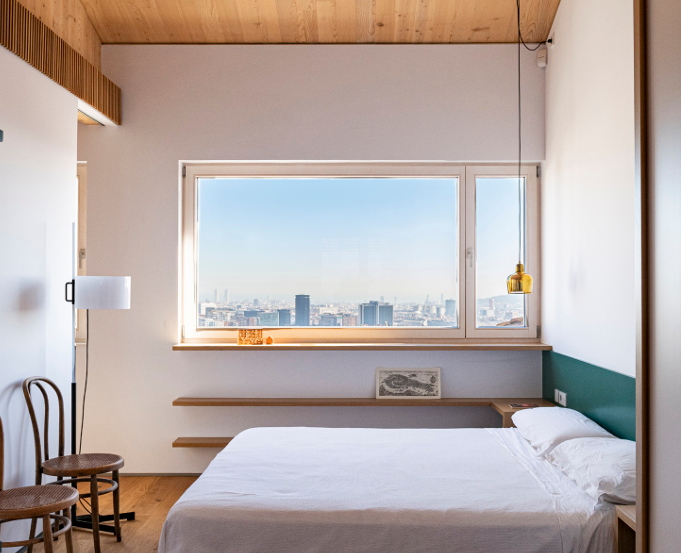
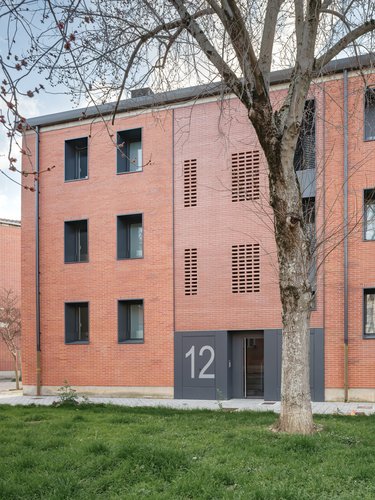
The renovation project for the TR80 single-family house in Barcelona is developed around three fundamental principles: the life cycle of materials, energy efficiency, and efficient water management. The combination of these three starting points has resulted in a refurbishment that respects the built heritage while responding to contemporary needs for sustainability and comfort, achieving a Passive House Plus certification. The project is located in a Barcelona neighborhood built between 1946 and 1953 in a post-war context, driven by the need for affordable housing construction. Today, it has become a neighborhood classified as a Heritage Site with Elements of Interest. Originally, the house consisted of a ground floor and a first floor, but its rear terrace was at the same level as the building's ground floor, creating an independent basement. Our proposal consisted of removing the floor slab between the basement and the terrace, modifying the elevation, and connecting this outdoor space with the basement level, thereby creating a garden at the rear. Given the project's construction pre-existences, it was decided to conceive the new project like a Matryoshka doll: a historical, heavy, and rigid outer box containing a modern, lightweight, and flexible inner box. The interior structure not only supports the existing facade but also allows for a home free of structural constraints, improving its thermal and acoustic insulation as well as indoor humidity levels. This strategy allowed us to preserve the external appearance of the house without compromising on a comprehensive upgrade. The design principles applied to the project regarding Energy are divided into two main strategies. The first is based on solving the building's performance at a passive level through its construction systems. Since it was a renovation of a building oriented mainly East-West, the proposal incorporates improvements to the thermal performance of the existing envelope, the elimination of thermal bridges, high-performance windows, guaranteeing high airtightness, and the incorporation of solar shading. The second strategy focuses on active systems; thus, it is designed under the requirements of the Passive House Plus certification through a controlled ventilation system with heat recovery, powered by high-performance aerothermal energy. Additionally, a photovoltaic production system is integrated onto the roof to guarantee self-consumption.
180 m²
1 floor above ground and 1 below the ground
180 m²
The garden includes two strategically placed deciduous trees to provide shade and color depending on the season.
Yes
The house is developed according to the passive house principles achieving a Passive House PLUS certificate.